
Intraday Trading Course in India: How to Choose One (With a Comparison Table)
Free videos, broker academies, paid online courses and classroom mentorships all promise to teach intraday trading. Here is what to check before you pay anyone, with a comparison table and the warning signs we would walk away from.
Search for an intraday trading course in India and you will find hundreds: free YouTube playlists, academies run by brokers, ₹499 recorded courses, five-figure mentorships and weekend seminars in hotel halls. Most of them look the same from the outside. Big promises, a confident teacher, a screenshot of a green P&L. So how do you tell a course that will actually make you a more careful trader from one that only makes the seller richer?
We sell an intraday course ourselves, so read this with that in mind. We have tried to write the guide we would want a friend to read before paying anyone, including us. If a course, ours included, fails the checks below, do not buy it.
Start with what a course can and cannot do#
A good course can teach you how the market works, how to read a chart without guessing, how to plan a trade before you take it, how to size it so one loss cannot hurt you badly, and how to r your trades honestly. It can save you months of trial and error and a fair amount of money.
No course can make you profitable. Profit depends on the market, on discipline you build over hundreds of trades, and on luck in the short run. SEBI's 2024 study of F&O traders found that 93% of more than one crore individual traders lost money between FY22 and FY24. A course that hides that number, or implies you will be in the 7% after a few weekends, is selling a dream, not an education.
The five kinds of intraday courses you will find#
Courses fall into a few broad types. None is automatically good or bad; each suits a different kind of learner.
| Type | What you usually get | Works well for | Watch out for |
|---|---|---|---|
| Free YouTube and blogs | Short videos on single topics, no structure | Learning terms and seeing ideas before you pay | Random order, no feedback, tips dressed as education |
| Broker academies | Basics of the platform, order types, some theory | Learning the mechanics of your own broker | Push to trade more often, since the broker earns on every order |
| Recorded online course | A syllabus of video lessons, notes, sometimes templates | Self-paced learners with a fixed hour a day | Old videos never updated, no one answers questions |
| Online course with support | Lessons plus a way to ask questions and get reviews | Beginners who need someone to check their plan | Support that disappears after the sale |
| Classroom or live mentorship | Live sessions, group trading, direct feedback | People who learn best in a room or on a live call | High fees, live "calls" that make you dependent on the mentor |
Eight things to check before you pay#
1. Is there a written syllabus?#
A real course can tell you, module by module, what you will learn. If all you get is "learn the secret strategy", you have no way to judge it. Look for risk management, position sizing and a journal in the syllabus, not only setups. Those three topics are where most beginners lose money, and they are the least exciting to sell, which is why weak courses skip them.
2. Does it teach rules you can test?#
An intraday setup should be written down so clearly that two people would take the same trade on the same chart. Entry, stop-loss, target and the conditions that cancel the trade. If the teacher says "you will develop a feel for it", there is nothing to test, and nothing to fix when it stops working.
3. Does it put risk before reward?#
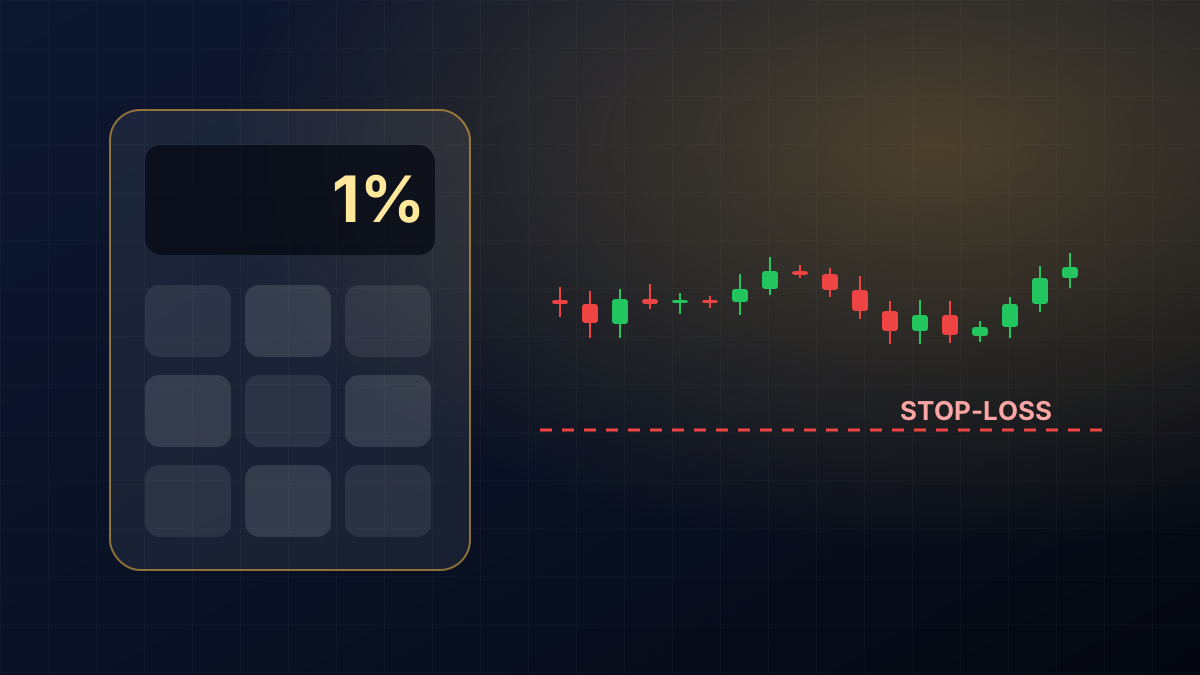
Look for the 1% rule or something like it: a fixed, small share of your capital that you may lose on one trade, and a daily loss limit after which you stop. Ask the seller how big a position should be on a ₹1,00,000 account with a ₹10 stop. If they cannot answer quickly, they are not teaching risk. (The answer with the 1% rule is 100 shares; our position size calculator works it out for any numbers.)
4. Are F&O basics explained honestly?#
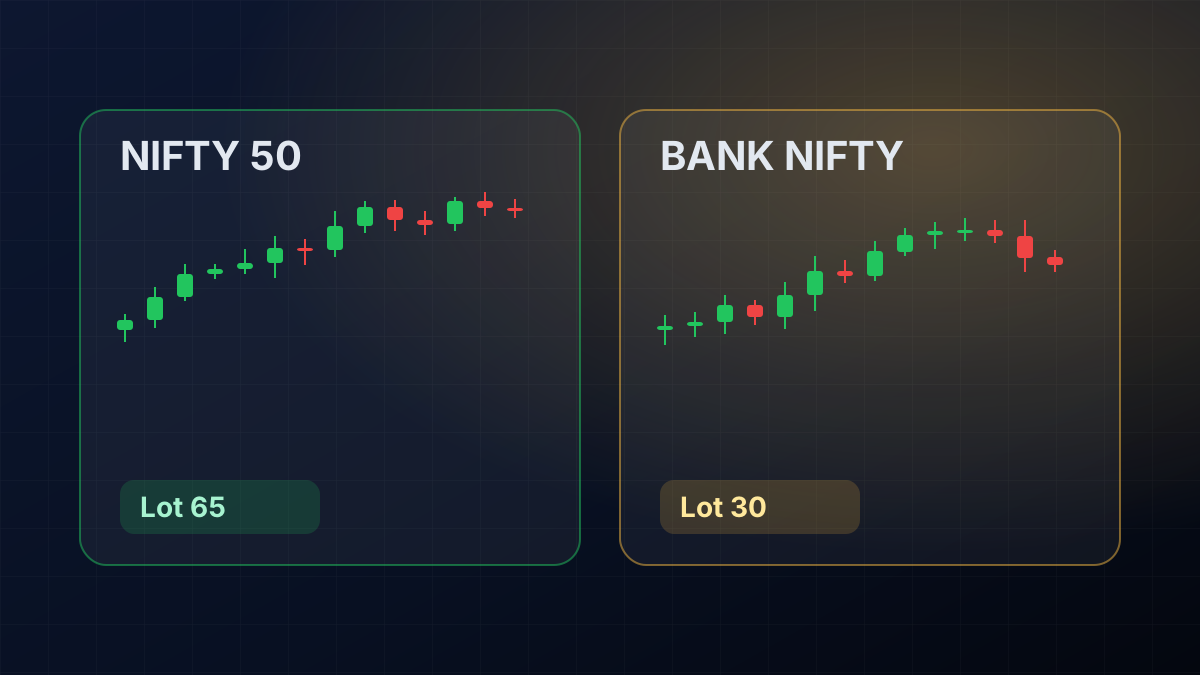
Most intraday traders in India end up in Nifty and Bank Nifty options. A good course explains lot sizes, premium, expiry and time decay, and is open about why most option buyers lose. Be careful with courses that teach option selling to complete beginners. Selling options can look like steady income for weeks and then lose months of gains in one day.
5. Who is the teacher, and can you check them?#
The teacher should have a real name, a face and a history you can look up. Notice whether they are a SEBI-registered research analyst or investment adviser. Education does not need a registration, but anyone giving specific buy or sell calls does. A P&L screenshot proves very little: it can be cropped, from a demo account or one good month out of many bad ones.
6. Is there support after you pay?#
You will have questions in week three, not on day one. Check how you ask them: comments under lessons, a WhatsApp number, live r sessions, e-mail. Send a question before you buy and see how quickly and how honestly they answer.
7. What exactly is the refund policy?#
Read the refund terms before you pay, not after. Many courses are non-refundable, which is fair for digital content, as long as it is stated clearly. A policy that says "100% money back" in the ad and "no refunds" in the small print is a warning sign about everything else.
8. Does it end with a routine, not just knowledge?#
Knowing ten setups is less useful than doing one routine every day: a short preparation before the open, a fixed set of trades, a stop for the day, and a journal entry after the close. The course should leave you with that routine and with a way to r it every week.
A quick comparison table you can fill in#
Copy this table into a notebook and fill it in for every course you are considering. The one with the most honest answers, not the most exciting ones, is usually the better choice.
| What to check | Good sign | Warning sign |
|---|---|---|
| Syllabus | Written, module by module, includes risk and journal | "Secret strategy", no list of topics |
| Setups | Entry, stop, target and cancel rules written down | "You will get a feel for it" |
| Risk | 1% rule or similar, daily loss limit | Talks only about targets and big wins |
| Results shown | Explains that most traders lose; no income promises | Fixed monthly income, "90% accuracy" |
| Teacher | Real name, history you can check | Anonymous, only P&L screenshots |
| Support | A clear way to ask questions after buying | Only a sales WhatsApp, silence after payment |
| Refund policy | Clear terms, same on the ad and the policy page | Different promises in different places |
| Language | Taught in a language you follow easily | Jargon with no explanation |
| Price | Fee you can afford to lose entirely | Pressure to borrow or pay "today only" |
How much should an intraday course cost?#
There is no fair price that fits everyone, and a higher fee does not mean a better course. A simple rule: never pay more for a course than you would be calm about losing, and never borrow to pay for one. Remember that your trading capital matters more than the course fee. A ₹5,000 course with ₹50,000 of careful capital is a better start than a ₹50,000 course that leaves you with nothing to trade.
Also count the hidden costs: paid indicators, a separate "advanced" module, a monthly group, or a required data subscription. Ask for the total cost of everything you will need before you pay the first part.
Language matters more than people think#
Trading is full of terms that are hard enough in your first language: premium, theta, open interest, margin. If English is not the language you think in, choose a course that explains these in Hindi, Punjabi or whatever language you follow best. You will make fewer mistakes when you understand exactly what an order does before you place it.
What to do before you buy any course#
- Open a demat account with a SEBI-registered broker you trust, and learn its order screen without trading.
- Read SEBI's short studies on F&O traders, so you know the odds.
- Watch the free material from two or three teachers, ours included, and notice who talks about risk first.
- Ask each seller the same three questions: what is in the syllabus, how is risk taught, and how do I get help after I pay.
- Decide your budget for the course and, separately, for your trading capital. Write both down.
Where our course fits#
Our Intraday Trading Course is a recorded online course with support: a written syllabus of eight modules, rules for each setup, the 1% rule with worked examples, Nifty and Bank Nifty options basics, execution on the common Indian brokers, and a daily routine with a journal. You can ask the team questions under every lesson, and the lessons are explained in English, Hindi and Punjabi. It does not include tips or calls, and we do not promise any result.
If you are not sure yet, start with our free course and the calculators, and judge us by them. That is exactly what we would ask of any other course you are considering.
🧮 Size your next trade with the free position size, risk-reward and lot size & margin calculators.
Comments
Loading comments…