
Intraday Trading in India: A Beginner's Rulebook for Nifty, Bank Nifty and F&O
Most intraday and F&O traders in India lose money. Here are the written rules, the 1% risk method and the daily routine that give a beginner a fair chance to survive and learn.
Intraday trading looks simple on a screen: buy in the morning, sell before the close, keep the difference. In practice it is one of the hardest ways to make money in the market. This guide does not promise you profits. It gives you the rules a beginner needs before risking real money, so that a bad day stays a small day.
First, the uncomfortable numbers#
SEBI, India's market regulator, has studied what actually happens to retail traders. Its September 2024 study found that 93% of more than one crore individual F&O traders lost money between FY22 and FY24, with an average loss of about ₹2 lakh per person including costs. An earlier SEBI study of the cash market found that about 7 out of 10 individual intraday traders made a loss in FY23.
We start with these numbers on purpose. They are not a reason to never trade. They are a reason to treat trading like a skill you practise under strict limits, not a shortcut to quick income.
What intraday trading really is#
An intraday trade is opened and closed on the same trading day. The NSE and BSE equity session runs from 9:15 AM to 3:30 PM IST, with a pre-open session from 9:00 AM. If you do not close an intraday position yourself, most brokers square it off automatically in the last 10 to 15 minutes before the close, often at a price you would not have chosen.
Intraday trades are usually done in three places:
- Cash market (equity): you buy or sell shares and close them the same day. The simplest place to learn.
- Futures: a contract on an index or a stock. A small price move changes your profit or loss a lot, because one lot controls a large value.
- Options: the right, not the obligation, to buy or sell at a set price. Buyers can lose the whole premium; sellers can lose far more than they collected o.
Rule 1: decide your risk before your entry#
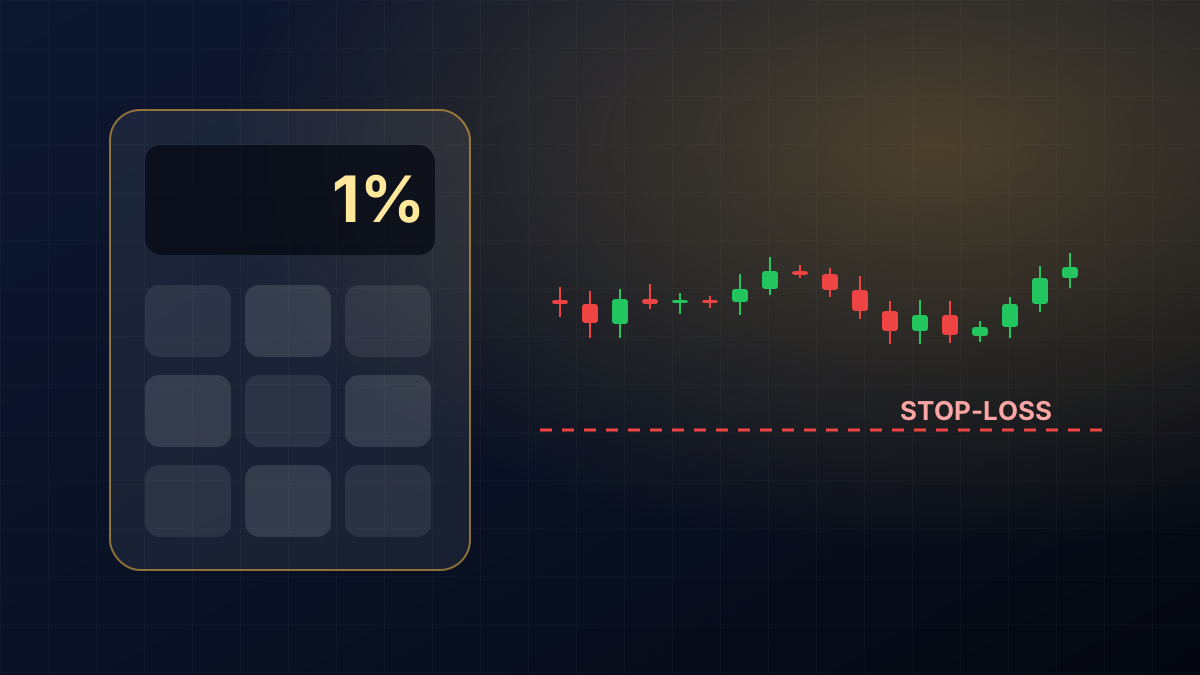
The most useful rule in trading is boring: never risk more than 1% of your trading capital on one trade. Risk means the amount you lose if your stop-loss is hit, not the amount you invest.
Here is how it works with ₹1,00,000 of trading capital:
- 1% of ₹1,00,000 is ₹1,000. That is the most this trade may cost you.
- You plan to buy a stock at ₹500 with a stop-loss at ₹490. Your risk per share is ₹10.
- ₹1,000 ÷ ₹10 = 100 shares. That is your position size, worth ₹50,000.
- If the stop is hit, you lose about ₹1,000 plus charges. You can be wrong ten times in a row and still have 90% of your capital.
Notice what decides the quantity: the distance to your stop-loss, not how confident you feel. A wider stop means fewer shares. This one habit protects you from the single trade that ruins an account.
Rule 2: every trade needs an entry, a stop and a target, written down#
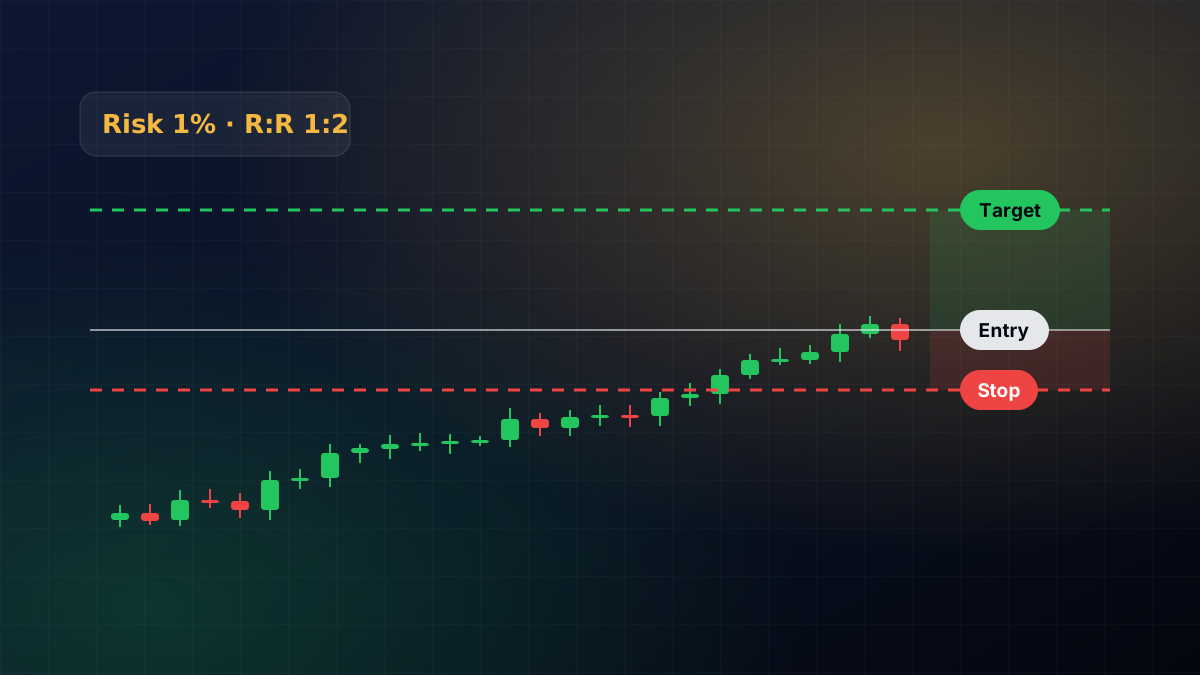
Before you click buy, write three numbers: where you enter, where you are wrong (stop-loss), and where you take profit (target). If the target is not at least 1.5 to 2 times the distance to your stop, skip the trade. With a 1:2 risk-to-reward ratio, you can be right only 40% of the time and still come out ahead before costs.
Place the stop-loss order with the broker as soon as you enter. A stop that lives only in your head tends to move when the price comes near it.
Rule 3: a daily routine beats a daily hunch#
Most bad intraday trades come from boredom, revenge after a loss, or a tip. A routine removes all three. Here is a simple one you can adapt:
- 8:45 to 9:10 AM: check global cues, the Nifty and Bank Nifty levels from yesterday, and news on the stocks on your watchlist. Mark key levels.
- 9:15 to 9:30 AM: watch, do not trade. The first 15 minutes are often the most erratic.
- 9:30 AM to 2:30 PM: take only the setups you have written rules for. Maximum two or three trades a day while you learn.
- Stop for the day after two losing trades, or when you have lost 2% of capital. Tomorrow is another session.
- After 3:30 PM: write every trade in your journal: setup, reason, result, and whether you followed your rules.
Rule 4: costs are part of the trade#
Brokerage, STT, exchange charges, GST and stamp duty are small on one trade and large over a year. Ten small trades a day can turn a slightly profitable method into a losing one. Check your broker's charge calculator and include costs when you judge whether a setup is worth taking.
Rule 5: the journal is your real teacher#
After 30 to 50 trades your journal will show you things no course can: which setups work for you, which times of day cost you money, and how often you broke your own rules. Review it every weekend. Cut the setups that lose, and repeat the ones that work.
A pre-trade checklist you can copy#
- Is this setup one of my written setups?
- Do I know my entry, stop-loss and target, and is the reward at least 1.5 times the risk?
- Is my quantity based on the 1% rule?
- Am I trading because of my plan, not a tip, boredom or a previous loss?
- Have I placed the stop-loss order with my broker?
The goal of a beginner is not to get rich this month. It is to still have capital, and a better process, in twelve months.
Where Profit Hunter Guru fits in#
Our Intraday Trading Course teaches Nifty, Bank Nifty and stock setups with written entry, stop-loss and target rules, order execution on popular Indian brokers, the 1% rule and a daily routine. The Profit Hunter Guru Scanner is used in the course to shortlist stocks, but every trade still needs your own rules and your own decision. If you are completely new, start with the free course first.
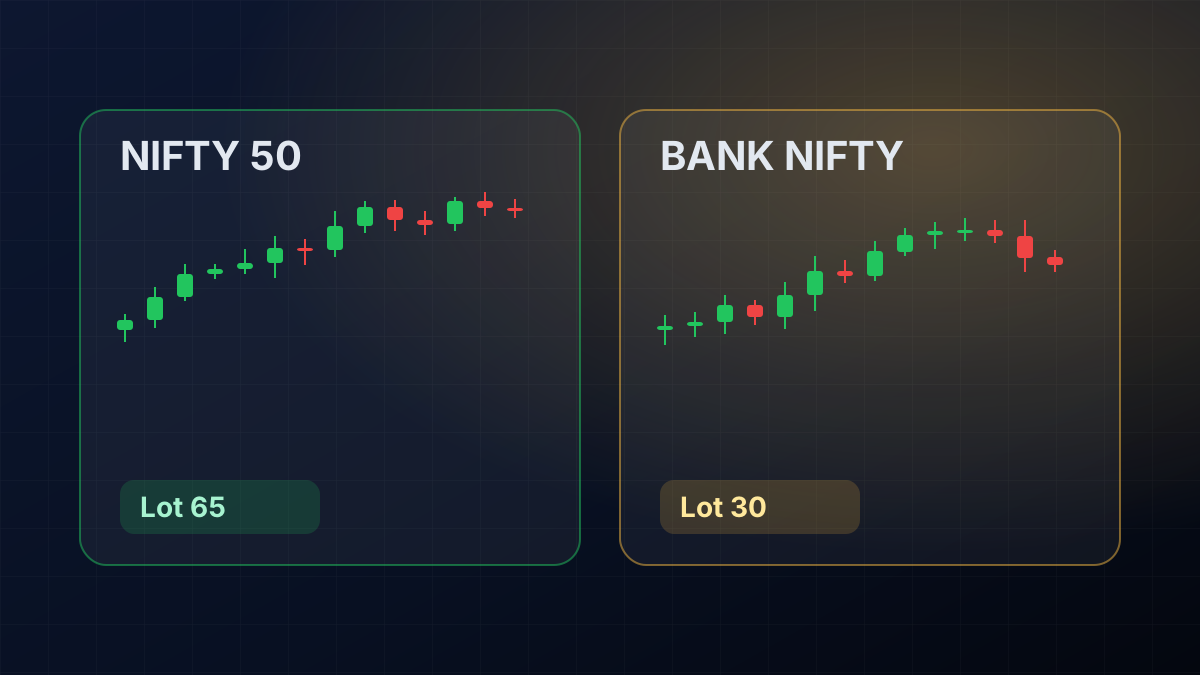
🧮 Size your next trade with the free position size, risk-reward and lot size & margin calculators.
Comments
Loading comments…